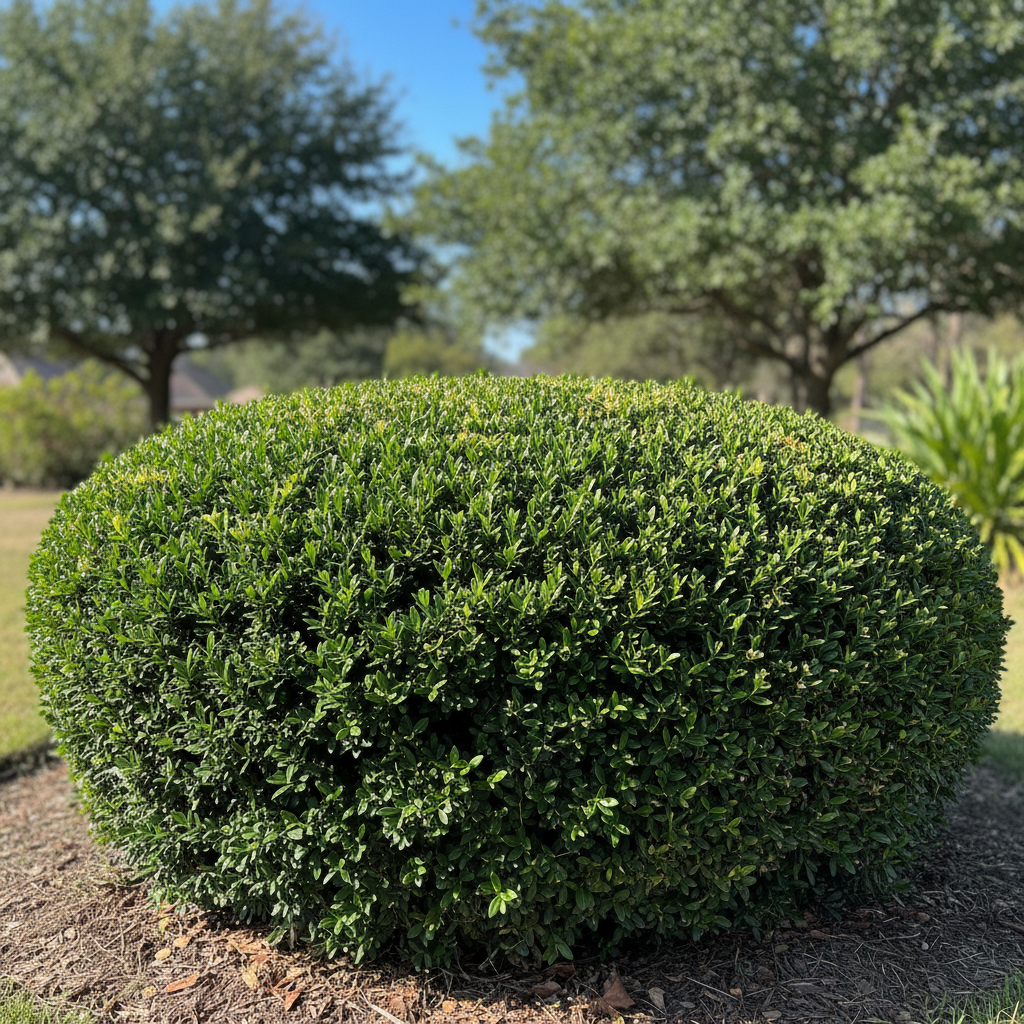
Those shrubs and bushes around your house aren't just there for looks, you know. They're a big part of your home's curb appeal, and if you get it right, they can even help save on energy bills by giving you some shade. But let 'em go too long, and suddenly you've got a tangled mess on your hands. So, when should you grab the shears yourself, and when's it time to call in the pros, like us at Ace Tree?
Before You Even Think About Trimming
First things first, know what you're actually working with. Different plants need different kinds of care. Is it a flowering shrub, maybe a crape myrtle or a Texas sage? Or is it more of a structural evergreen, like a juniper or a boxwood? Knowing the type helps you figure out the best time to trim and what kind of cut it needs. For most flowering shrubs, you generally want to trim them right after they finish blooming. Cut them before, and you might just be chopping off all the flowers for the season. As for evergreens, late winter or early spring, before new growth really kicks in, is often perfect.
You'll also need the right tools. Seriously, don't try to hack away at thick branches with those tiny hand pruners. You'll just hurt yourself and the plant. For smaller stuff, good bypass pruners are a must. Got thicker branches? Loppers are your best friend there. And for bigger, hedge-like plants, a solid pair of hedge shears — manual or electric — will save you a ton of time. Just make sure your tools are clean and sharp. Dull blades tear and crush, leaving open wounds that practically invite disease.
What You Can Realistically Do Yourself
For most homeowners, routine maintenance and a little light shaping are totally doable. If you're just trying to keep a shrub within its bounds, snip off a few dead or crossing branches, or give it a light trim to encourage denser growth, go for it! This kind of work usually just means maintaining the plant's natural shape and size, not drastically changing it.
Here are a few things you can probably handle:
- Deadheading: This is just removing spent flowers to encourage more blooms. Easy peasy.
- Light Shaping: Trimming off new growth to keep the plant's desired form. Think of it like a haircut, not major surgery.
- Removing Dead or Diseased Branches: If you spot a branch that's clearly dead or looks unhealthy, cut it back to healthy wood. Just make sure you sterilize your tools afterward, especially if you suspect disease.
- Pruning for Air Circulation: Sometimes, the inside of a shrub gets way too dense. Thinning out a few interior branches can really improve air flow, which helps prevent fungal issues, especially with all the humidity we get here in Live Oak.
Always make your cuts clean and at an angle, just above a bud or a branch union. Don't leave stubs; those are basically open doors for pests and diseases. Oh, and try not to remove more than about a third of the plant's total mass in one go. That's a good rule of thumb to keep from stressing it out too much.
When It's Time to Call Ace Tree
There are definitely times when DIY just isn't the best idea — or even safe. This is when you should absolutely pick up the phone and get a professional involved. We see a lot of folks try to tackle jobs that are just too big or complex, and honestly, it often costs more to fix their mistakes than it would have to just call us in the first place.
You should call us if:
- The Shrub is Overgrown and Out of Control: If a shrub has gotten so big it's blocking windows, hitting your roof, or becoming a tripping hazard, it probably needs a significant reduction or rejuvenation pruning. That takes skill to do without killing the plant or making it look butchered.
- You Need to Remove Large, Thick Branches: If you're dealing with branches thicker than your wrist, you need specialized tools and techniques. Trying to cut these yourself can be dangerous and lead to improper cuts that harm the plant long-term.
- The Plant is Near Power Lines or Structures: Any trimming near electrical lines or very close to your home's foundation or roof should be left to pros. Safety first, always.
- You're Not Sure What You're Doing: If you're hesitant or unsure about the best way to prune a specific plant, it's better to ask, right? An improper cut can damage a plant for years, or even kill it.
- You're Looking for Specific Shapes or Hedges: If you want perfectly manicured hedges or specialized topiary, that requires a steady hand and an eye for detail that only comes with experience.
- You're Dealing with Thorny or Poisonous Plants: Some plants are just a pain to deal with. If you're not equipped with the right protective gear, it's simply not worth the risk.
After the Trimming Is Done
Once you've finished trimming, whether it was you or us, make sure to clean up all the debris. Leaving trimmings around can attract pests or harbor diseases. Give your newly trimmed plants a good drink of water, especially if it's been dry, and maybe a light feeding to help them recover and put out new growth.
Remember, proper trimming isn't just about making things look neat; it's about plant health. A well-maintained shrub is a happy shrub, and a happy shrub adds value and beauty to your Live Oak home. Don't hesitate to give Ace Tree a call if you've got a job that feels too big or too tricky. We're here to help.