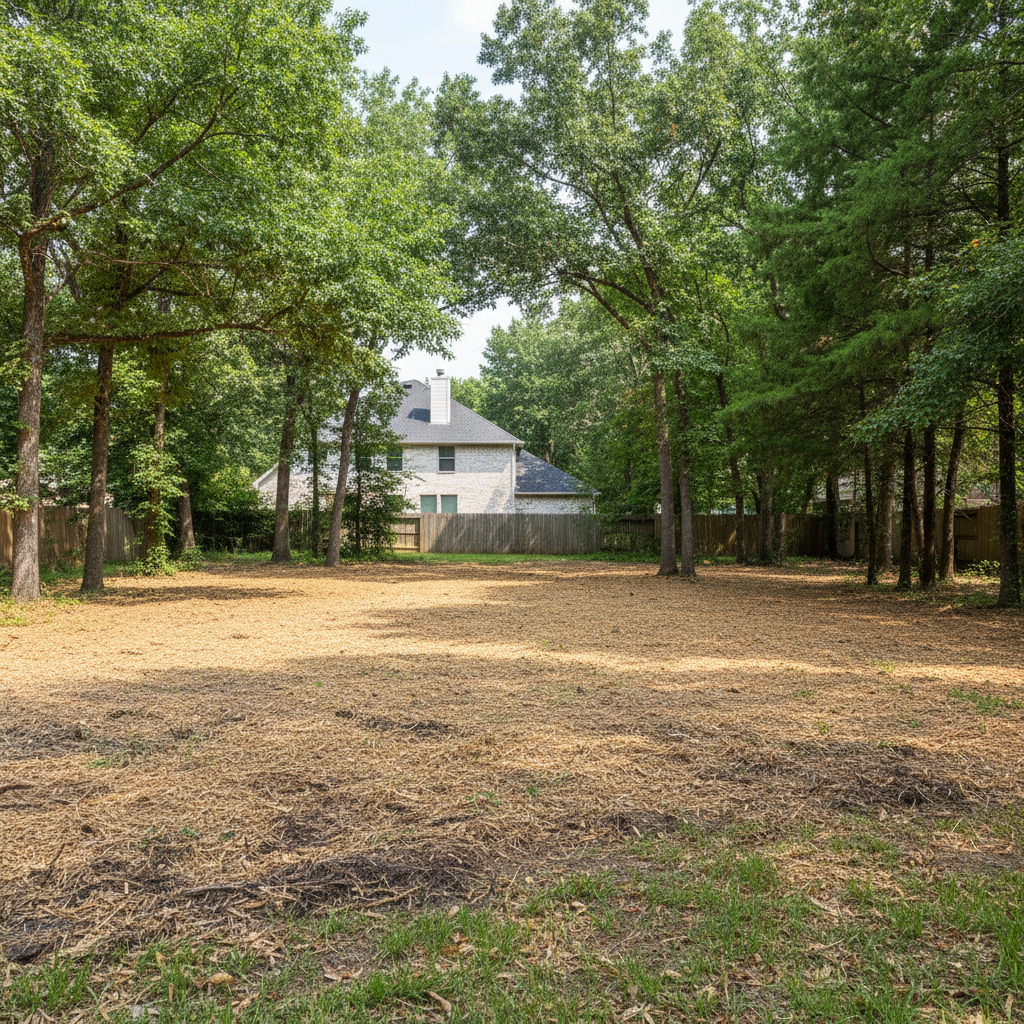
So, you've invested in clearing out your property here in Live Oak. Maybe you got rid of some dense brush, opened up a new area for a garden, or just cleaned up a neglected corner of your lot. That's a big step, and it makes a real difference. But here's the thing: nature doesn't just stop. If you don't keep up with it, all that hard work can get undone faster than you'd think, especially with our Texas sun and those quick summer rains.
I've seen it happen too many times. Folks get their land cleared, and it looks fantastic. Then life gets busy, and before they know it, the saplings are popping up, the vines are creeping back, and it's almost like they never touched it. You want to extend the life of that clearing, right? Of course you do. It saves you money and keeps your property looking good.
Extend the Life of Your Land Clearing
The biggest secret to long-lasting land clearing isn't really a secret at all: it's consistent follow-up. Think of it like weeding a garden; you can't just do it once and expect it to stay perfect. After we've cleared an area, the ground is exposed, and that's an invitation for new growth. Seeds that were dormant suddenly have sunlight, and root systems that weren't completely eradicated will try to send up new shoots.
One of the best things you can do, especially if we're talking about a larger area, is to establish some ground cover. This isn't about planting a forest again, but rather using native grasses or low-growing plants that can outcompete the aggressive weeds and brush. For example, if you're in one of those older Live Oak neighborhoods with the big oak trees, you might consider some shade-tolerant native ground covers. They help stabilize the soil, prevent erosion, and make it harder for unwanted plants to get a foothold.
Another smart move is to consider mulching. A good layer of wood chips or other organic mulch can suppress a lot of new growth. It also helps retain moisture, which is a big deal during our long, hot summers. Just make sure you're not piling it up against any existing trees you want to keep.
Regular Maintenance: What It Looks Like
Regular maintenance doesn't have to be a huge, back-breaking job if you stay on top of it. Here's what I usually tell folks:
- Walk the Property Regularly: Make it a habit to walk around your cleared areas at least once a month, maybe more often during spring and fall when things are really growing. Look for anything new popping up.
- Spot Treatment is Key: Catching young saplings and weeds when they're small is way easier than dealing with them once they've established. A quick pull or a targeted herbicide application (if you're comfortable with that) can save you hours later.
- Mowing or Trimming: If it's an open, grassy area, regular mowing will keep most woody growth from taking over. For areas that aren't mowed, a good string trimmer or brush cutter can handle the smaller stuff before it gets out of hand.
- Check for Erosion: After heavy rains, especially if you're on a slight slope, check for any signs of soil erosion. Exposed soil is an invitation for invasive plants.
Our climate here in Central Texas means things grow fast. We get a lot of sun, and when the rain comes, it often comes hard. That combination is a recipe for rapid regrowth, so you can't just clear it and forget it. Especially after a wet spring, you'll see a surge in growth.
Warning Signs of Problems
You don't want to wait until it's a full-blown jungle again. Here are some warning signs that your maintenance efforts might not be enough, or that a bigger problem is brewing:
- Rapid Regrowth of Woody Plants: If you're seeing small trees and thick brush returning quickly, faster than you can manage with hand tools, that's a red flag.
- Invasive Species Taking Over: Keep an eye out for aggressive invasives like Ligustrum, Chinaberry, or even certain types of bamboo. These can spread like wildfire and choke out everything else. They're particularly tough to get rid of once they've established a strong root system.
- Erosion Issues: Significant washouts or exposed tree roots mean your soil isn't stable, and that's a problem for the long-term health of your property.
- Dense Thickets Forming: If you can't easily walk through an area that was once clear, it means the brush has gotten too thick.
- Pest or Disease Infestations: Sometimes, dense, uncontrolled growth can harbor pests or diseases that can then spread to the trees or plants you want to keep.
When to Call a Professional
Look, I'm all for doing what you can yourself. But there are times when it just makes sense to bring in the pros. Here at Ace Tree, we've got the equipment and the know-how to handle what's too much for a homeowner.
You should definitely give us a call if:
- The Regrowth is Too Much to Handle: If you're looking at an area that would take you days or weeks with a chainsaw and a pair of loppers, it's time. We can come in with heavy machinery and get it done efficiently and safely.
- You're Dealing with Large Stumps: While some smaller stumps can be ground down with rented equipment, big ones are a job for professionals. Leaving them can lead to new growth or become a tripping hazard.
- There are Dangerous Trees or Brush: If you've got large, dead trees or brush growing near power lines, structures, or in a way that could cause damage, don't risk it. That's our bread and butter.
- You Need Specific Expertise: Maybe you're trying to clear for a specific purpose, like fire mitigation, or you have a lot of invasive species that need specialized treatment. We can advise on the best long-term solutions.
- Time is a Factor: Sometimes you just don't have the time to dedicate to a big clearing project. We can get it done quickly and correctly, so you can enjoy your property.
Keeping your Live Oak property clear and beautiful is an ongoing process. A little bit of consistent effort goes a long way, but don't hesitate to reach out to Ace Tree when the job gets bigger than you want to tackle alone. We're here to help keep your land looking its best.