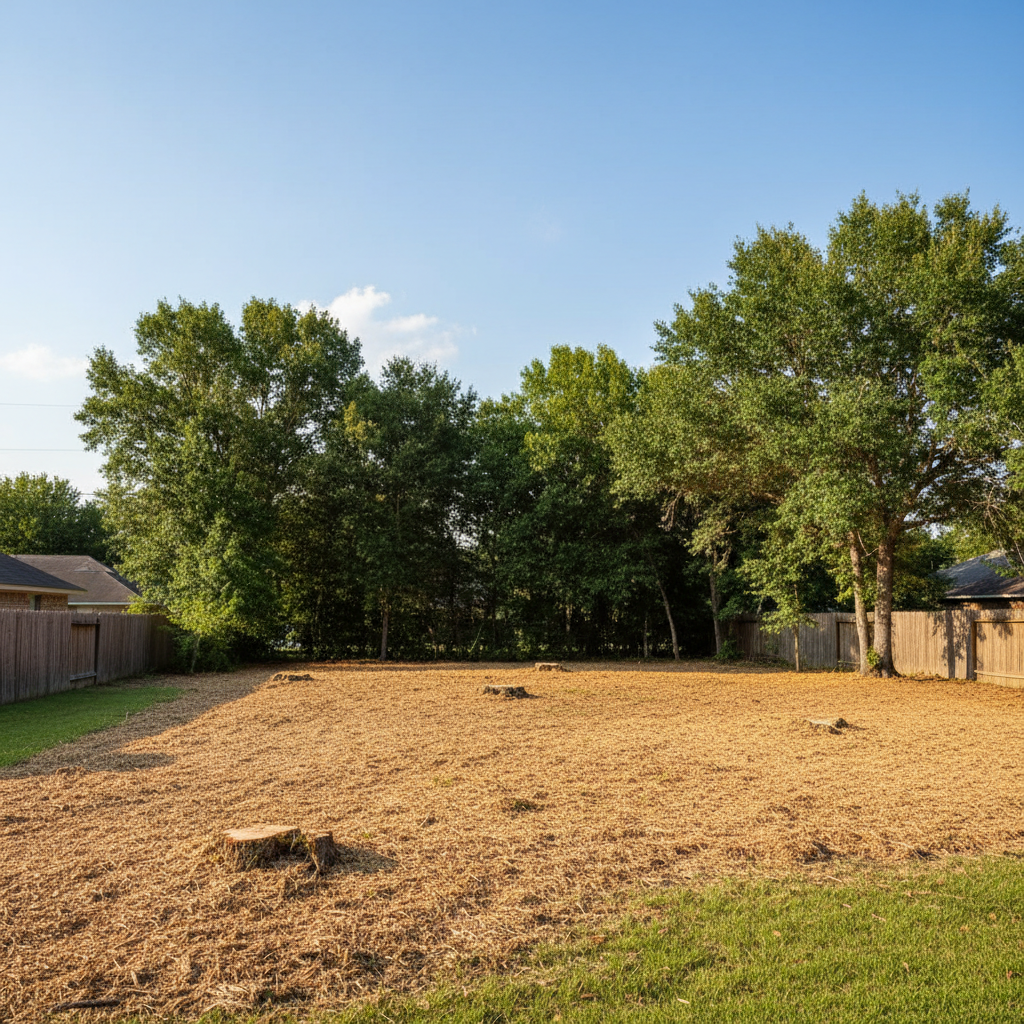
So, you have put money into getting your land cleared here in Live Oak. You might be building something, planting things, or just wanting to get back some usable space. Whatever the reason, that fresh, open look is something you will want to last. But we have to be honest, this is not some desert landscape. Here in South Central Texas, especially with our humid subtropical climate as well as those long, hot summers, nature is always trying to take back what you have cleared. Our team has seen it countless times.
Keeping that lot clear is not a one-time thing. It is an ongoing process, and understanding what you are up against as well as how to handle it will save you a lot of trouble as well as money later on. Think of it like taking care of your truck; regular check-ups stop bigger, more expensive problems from happening.
How to Extend the Life of Your Lot Clearing Work
The biggest mistake people make is thinking the job is finished once the heavy machinery leaves. That is not true. That is just the start. To really make your investment last, you have to be proactive.
- Deal with Stumps and Roots: If your clearing involved forestry mulching, a lot of the roots might still be alive underground. Hardwood trees, especially, are tough. If you have cedar or mesquite, those roots are deep and they will sprout back if you let them. You will want to either manually remove or grind down those remaining stumps as well as root clusters. For really stubborn stuff, a targeted herbicide treatment can work, but make sure you are following all the safety rules.
- Encourage Good Growth: Bare soil is an open invitation for weeds as well as invasive plants. After clearing, consider planting native grasses or ground cover. These plants are strong, they are used to our Live Oak soil, which can be anything from loamy to heavy clay, and they will compete with the unwanted plants for sunlight as well as nutrients. In addition, they help with erosion, which is a real concern after clearing, especially with our heavy rains.
- Keep that Mulch Layer Intact: If forestry mulching was used, that layer of organic material is not just for looks. It acts as a protective barrier, helps keep moisture in the soil, and makes it richer as it breaks down. This makes it harder for new weeds to get started.
What Regular Maintenance Looks Like
This is not about spending every weekend out there, but consistent, smaller efforts are better than one massive overhaul every few years.
- Regular Scouting: Walk your property often, especially during our long growing season here in Live Oak, which can run from late February to late November. Look for new sprouts, especially around the edges of the cleared area or where you know there were particularly tough plants before.
- Spot Treatment: Catching regrowth early makes a big difference. Pulling small weeds by hand or using a spot herbicide application on young saplings is much easier than dealing with a full-blown thicket.
- Mowing or Brush Hogging: Depending on the size of your property, regular mowing or brush hogging can keep grassy weeds as well as small woody sprouts under control. This is especially good for keeping open fields clear.
- Managing Invasive Species: We have our share of aggressive plants around here. Straggler daisy, silverleaf nightshade, and tievine are common problems. Johnson grass is another one to watch out for. These can take over fast if you do not stay on top of them.
Warning Signs of Problems
Your land will tell you when it needs attention. You just need to know what to look for.
- Rapid Regrowth: If you see a lot of brush or saplings popping up within a few months of clearing, that is a warning sign. Woody regrowth can become noticeable within a year or two if it is not checked.
- Thickets Forming: If small sprouts start forming dense patches, particularly yaupon holly or cedar, you are heading for trouble. These can quickly become impossible to get through.
- Erosion: After clearing, the soil is more exposed. If you notice ruts, gullies, or soil washing away, especially after one of our intense Texas thunderstorms, that is a serious issue. It means your soil is not stable, and you are losing valuable topsoil.
- Invasive Takeover: Seeing large patches of non-native plants spreading aggressively is a sign that they are winning against desirable vegetation.
- Pest Increase: Overgrown areas can become safe places for pests like rodents, snakes, as well as even termites. If you notice more of these critters, it might be because the vegetation is getting out of control.
When to Call a Professional
Sometimes you can handle things yourself, but other times, you need to bring in the experts. That is where Ace Tree comes in.
- Heavy Regrowth: If you are facing dense brush, trees larger than a few inches in diameter, or widespread thickets, it is time to call us. Our equipment can handle what your weed eater cannot, and we will get it done safely as well as efficiently. Trying to deal with heavy regrowth yourself is often more expensive as well as dangerous in the long run.
- Invasive Species Outbreak: Some invasive plants are just too tough or too widespread for do-it-yourself methods. We have the knowledge as well as tools to effectively remove and manage these species, stopping them from spreading further.
- Erosion Control Issues: If you are seeing a lot of erosion, especially on sloped areas common around Live Oak, you need professional help. We can look at the situation and put in place solutions like smart planting, terracing, or other land management techniques to make your soil stable.
- Preparing for Construction: If you are planning to build, you want the site ready the right way. That means not just clearing, but often some light grading to make sure of proper drainage as well as a solid foundation. We can handle that, making sure your project starts on the right foot.
- Time and Equipment: You have better things to do. And buying or renting the right equipment for a big job is a huge cost. We have the specialized forestry mulchers as well as experienced operators to get the job done quickly as well as effectively.
Keeping your Live Oak property clear after an initial clearing is all about staying watchful as well as knowing when to ask for help. A little maintenance goes a long way in keeping that open, usable space you worked hard to create.