When is it really an "emergency"? Can't I just wait?
Look, I get it. Nobody wants to pay for something they don't absolutely have to. But for trees, an "emergency" isn't just a big branch that fell in your yard. It's about immediate danger, plain and simple. If a tree or a large limb has crashed onto your house, car, or blocked your driveway, that's an emergency. If it's leaning precariously after a storm, looking like it could fall at any moment, that's an emergency. And if it's touching power lines, definitely an emergency – call the power company first, then us. Waiting can lead to more damage, higher costs, or even injury. We've seen folks try to wait it out, and a small problem becomes a much bigger, more expensive headache when the next gust of wind comes through.
What's the first thing I should do if a tree falls on my property?
Safety first, always. Seriously. Don't go near downed power lines; assume they're live. Keep kids and pets away from the area. If the tree has hit your house, check for structural damage from a safe distance. Take photos – lots of them – for your insurance company. Once you've made sure everyone's safe and you've got your pictures, then you call us at Ace Tree. Don't try to clear it yourself if it's large or unstable. That's how accidents happen, unfortunately.
Will my homeowner's insurance cover emergency tree removal?
Most of the time, yes, if the tree caused damage to an insured structure like your house, garage, or fence, or if it blocked a driveway. If the tree just fell in your yard and didn't hit anything, it's usually not covered. Every policy is different, so you'll need to check your specific coverage. We can provide estimates and work with your insurance adjuster, but you'll need to start the claim with your provider. It's a good idea to know your deductible upfront, too.
How quickly can you get here in an emergency?
That's the million-dollar question, right? When you call Ace Tree for an emergency, we prioritize those calls. We understand time is critical. Our goal is to get a crew to your Live Oak property as fast as humanly possible, usually within a few hours. This depends on how widespread the damage is across the area and what other emergencies we're already handling. Sometimes, after a big storm, we're stretched thin, but we'll always give you an honest ETA. We have specialized equipment and trained personnel ready to roll.
What factors affect the cost of emergency tree removal?
A few things really drive the price up or down. The size of the tree, for starters – a huge Live Oak that's 50 feet tall is a lot more work than a smaller ornamental tree. Where it fell is another big one; if it's on your roof, tangled in power lines, or in a tight spot between houses, that's complex, dangerous work requiring specialized rigging and more man-hours. Access to the site matters too. If we can't get our equipment close, it means more manual labor. And of course, the time of day – after-hours emergency calls often have a higher rate. We'll give you a clear estimate once we assess the situation.
Do I need to be home when you come for emergency removal?
Ideally, yes. It's always best if you or an authorized adult can be there to show us exactly what happened, point out any specific concerns, and answer questions. We can also discuss the plan of action and get your approval on the spot. If you absolutely can't be there, we can still proceed if we have clear instructions and access, but we prefer to have someone on site. We'll need to know about any underground utilities or other hazards, which you'd usually be able to tell us.
What about stump removal? Is that part of the emergency service?
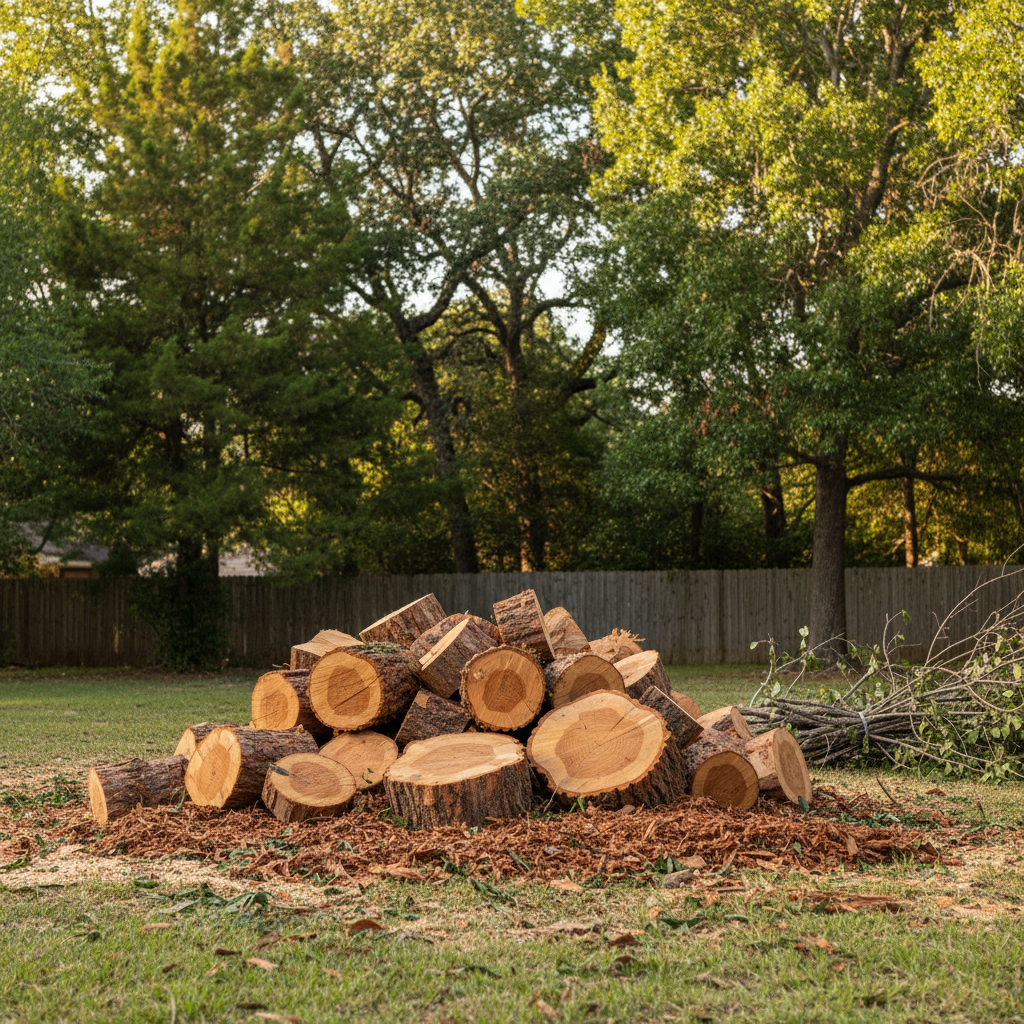
Typically, no. Emergency tree removal focuses on making the area safe and removing the immediate hazard – getting the tree off your house, out of your driveway, or away from power lines. Stump grinding is usually a separate service. Once the emergency is handled and things are calm, we can certainly come back and grind the stump for you. We often recommend it, especially in places like the Retama Creek area where you don't want a tripping hazard or a spot for pests to set up shop. But for that initial emergency call, it's all about safety and clearing the immediate danger.